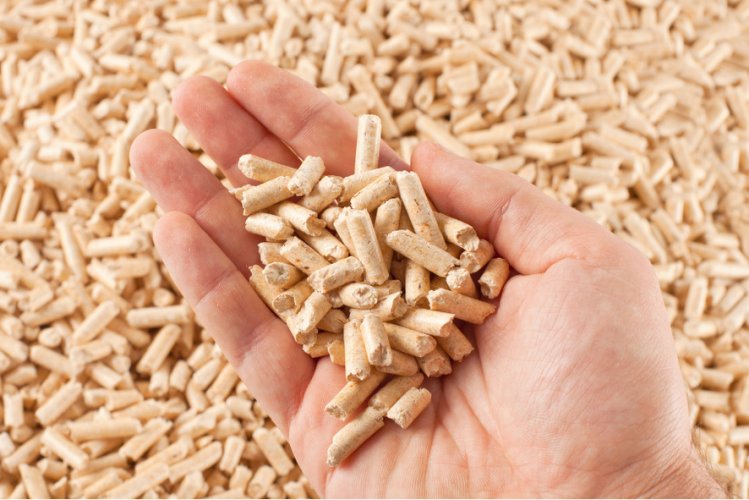
Wood Pellet
Wood pellets are compact, cylindrical biomass fuel made from compressed sawdust, wood shavings, and other wood byproducts. They are a popular renewable energy source for heating and electricity generation.
Characteristics:
- Shape: Cylindrical, typically 6 to 8 mm in diameter and 10 to 30 mm in length
- Composition: 100% natural wood, without chemical additives
- Density: High, which makes them efficient for storage and transport
- Moisture Content: Low (usually below 10%) for efficient combustion
Uses:
- Residential Heating:
- Used in pellet stoves and boilers for home heating
- Industrial Energy:
- Fuel for large-scale biomass power plants
- Commercial Heating:
- Hotels, schools, and factories use wood pellets for heating systems
- Animal Bedding:
- Absorbent and eco-friendly material for livestock and pets
Advantages:
- Renewable Energy: Made from wood waste, reducing deforestation
- Clean Combustion: Lower emissions compared to coal and oil
- Cost-effective: High calorific value and lower moisture content provide efficient heating
- Eco-friendly: Helps reduce carbon footprint when sustainably sourced
Environmental Considerations:
- Sustainable Sourcing: Important to source pellets from certified forests to prevent deforestation
- Ash Management: Minimal ash production, but the ash can be reused as fertilizer
Other Products
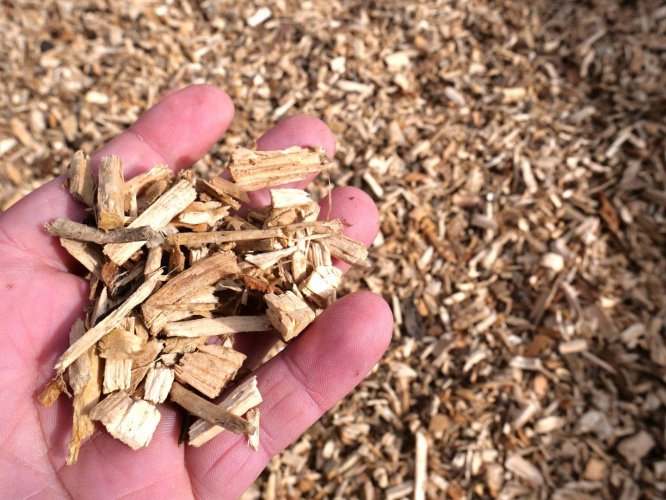
Wood Chips
Wood chips are small, irregular pieces of wood..
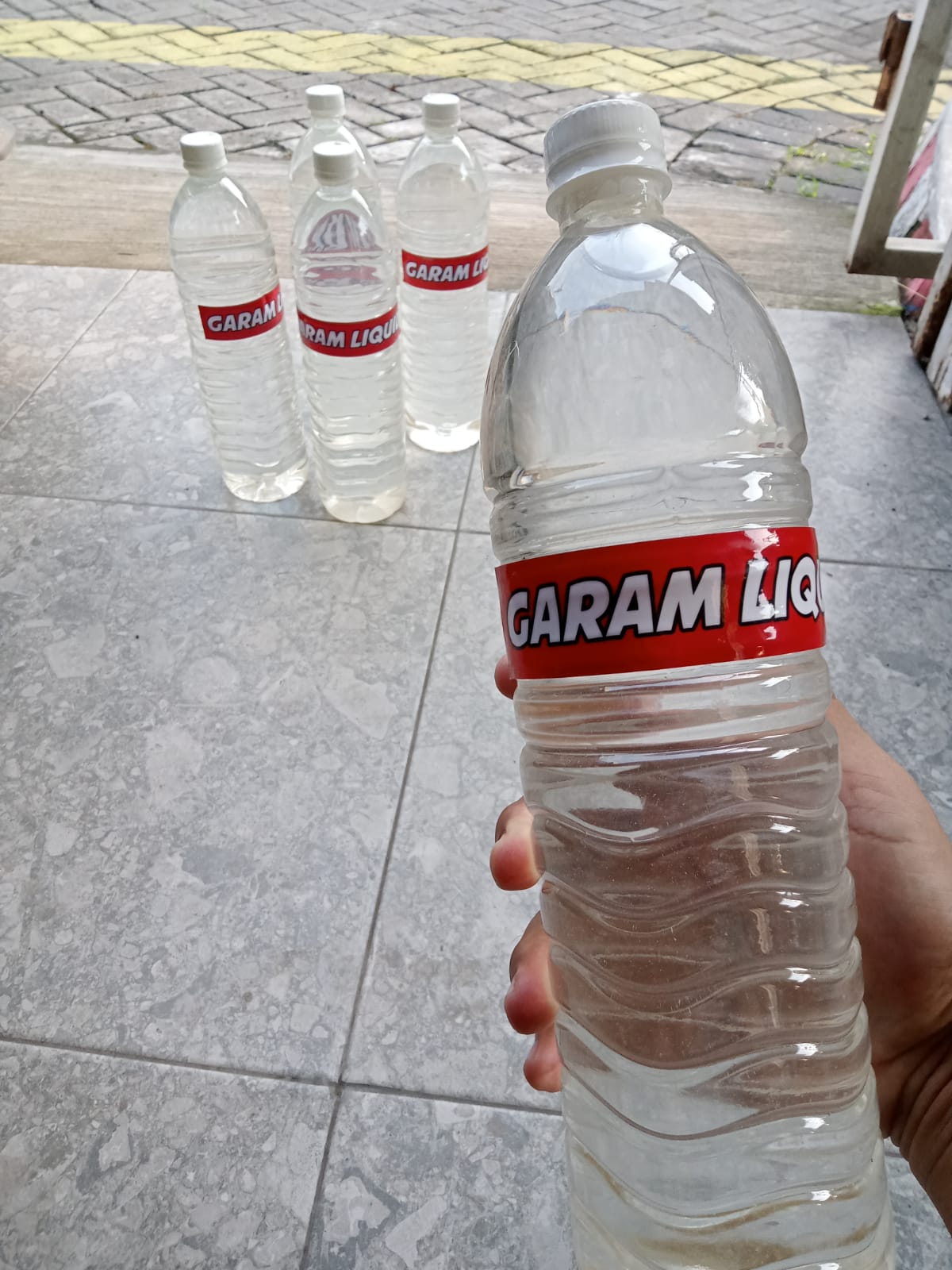
GARAM LIQUID
Garam liquid, atau yang juga dikenal sebagai..

Salt (NaCl)
Salt is a naturally occurring mineral composed..
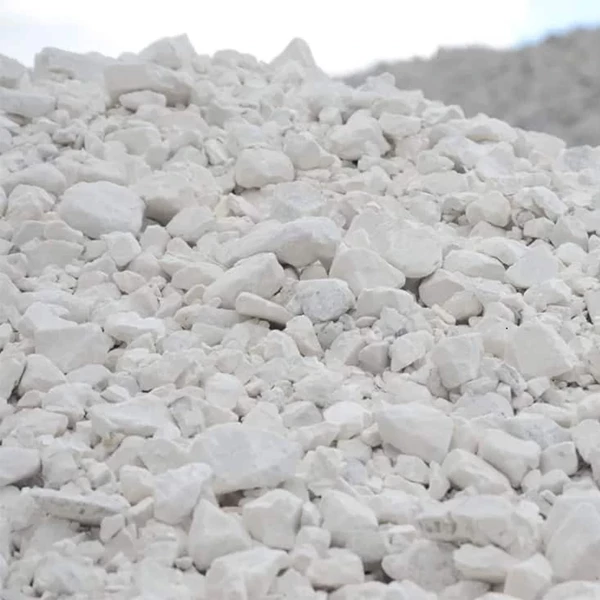
Active Lime (CaO)
Active Lime or Quicklime (chemical formula: CaO)..
Wood Pellet
Wood pellets are compact, cylindrical biomass..
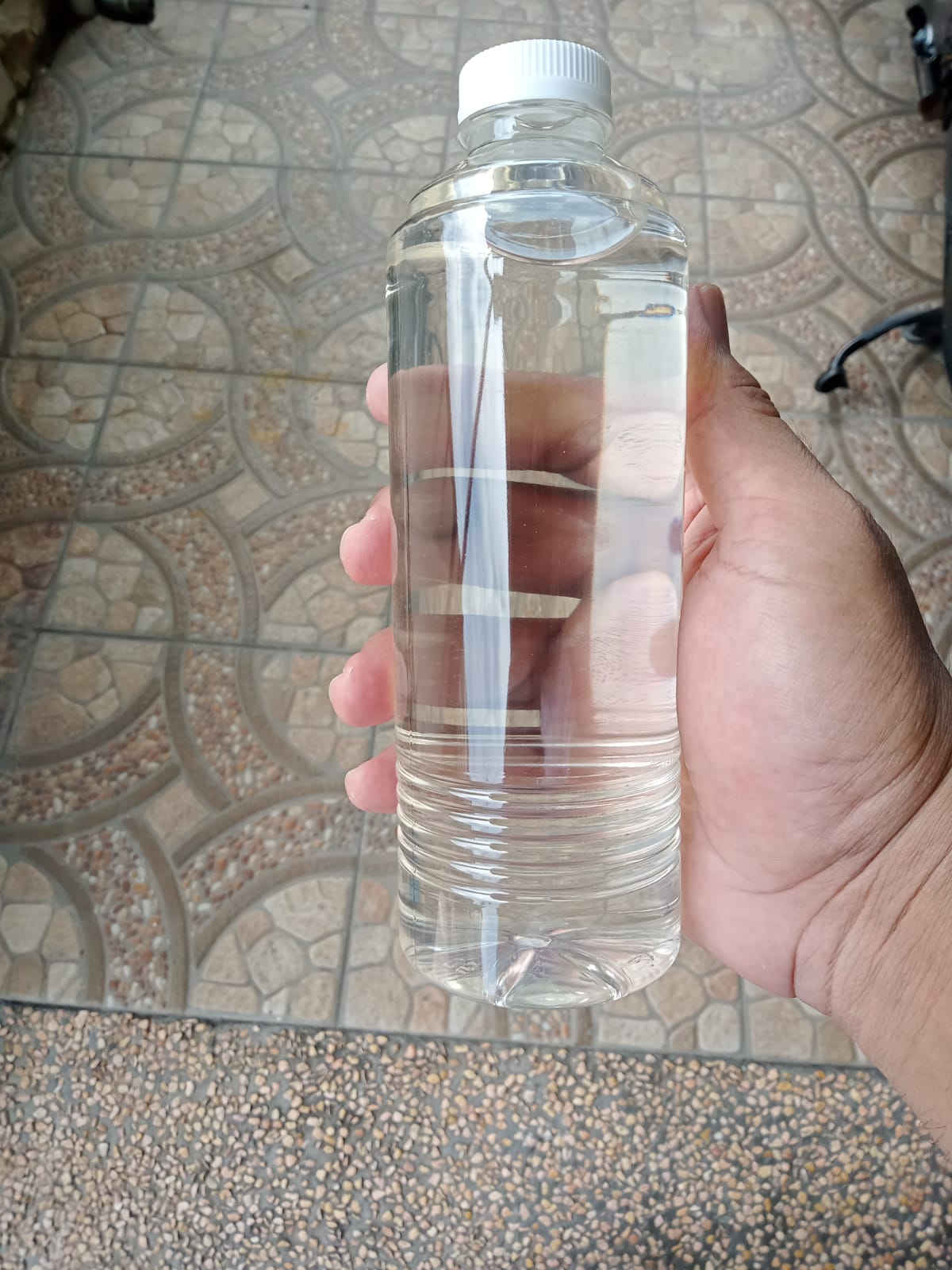
Virgin Coconut Oil (VCO)
VCO adalah minyak yang dihasilkan dari daging..
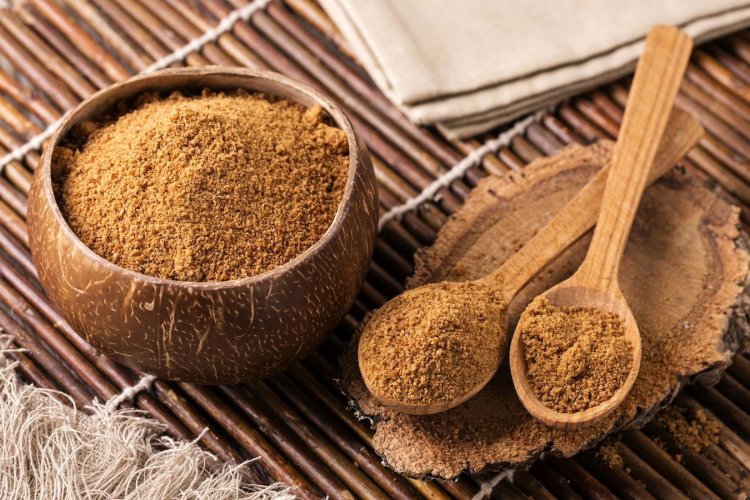
Ant Palm Sugar
Gula Aren Semut (literally "Ant Palm Sugar") is a..
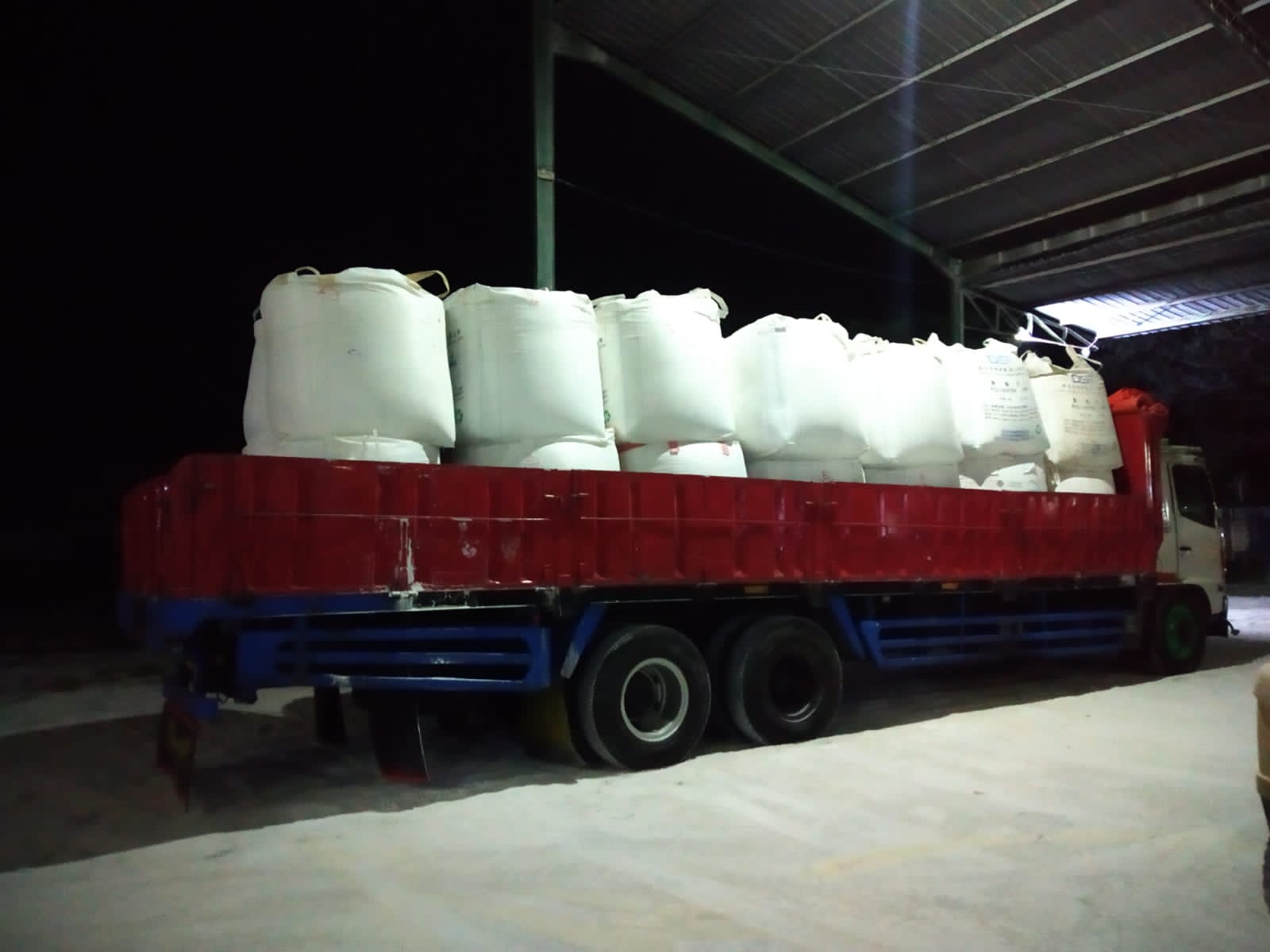
DOLOMITE
Dolomite is a carbonate mineral and sedimentary..
https://suryautamadanendra.com, All right reserved.