This is the process of making salt from sea water
Admin 29 Januari 2025 1x
The process of making salt from seawater, often referred to as the evaporation process, involves using sunlight to evaporate seawater, leaving behind salt. Here are the general steps in the process of making salt from seawater:
1. Collection of Seawater
Seawater is pumped into collection ponds or areas designed for the process. These ponds are typically located near the coastline, where there is direct exposure to sunlight to speed up evaporation.
2. Evaporation
Once the seawater is collected, it is allowed to flow into larger ponds. Here, sunlight gradually evaporates the seawater. This process can take several weeks, depending on the climate and weather. The hotter and drier the air, the faster the water evaporates.
3. Salt Precipitation
As the water evaporates, the concentration of salt in the water increases. At this stage, salt begins to crystallize and settle at the bottom of the pond. The salt that precipitates typically consists of fine salt and coarse salt.
4. Harvesting and Collecting the Salt
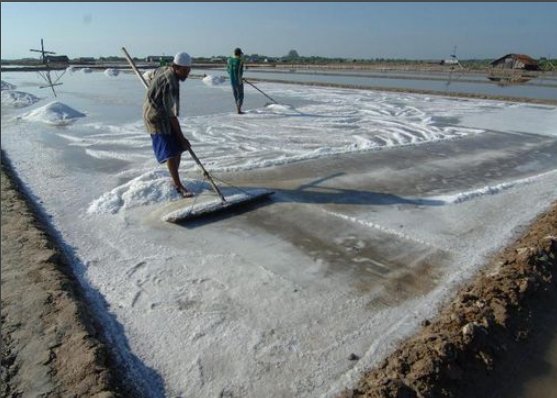
Once most of the water has evaporated, leaving a layer of salt at the bottom, the salt is collected using tools such as scoops or rakes. The collected salt is then moved to another area for further drying.
5. Cleaning and Drying
After the salt is collected, it is cleaned to remove impurities such as sand and mud. The cleaned salt is then dried under the sun to ensure it has a lower moisture content, making it ready for packaging and sale.
6. Packaging
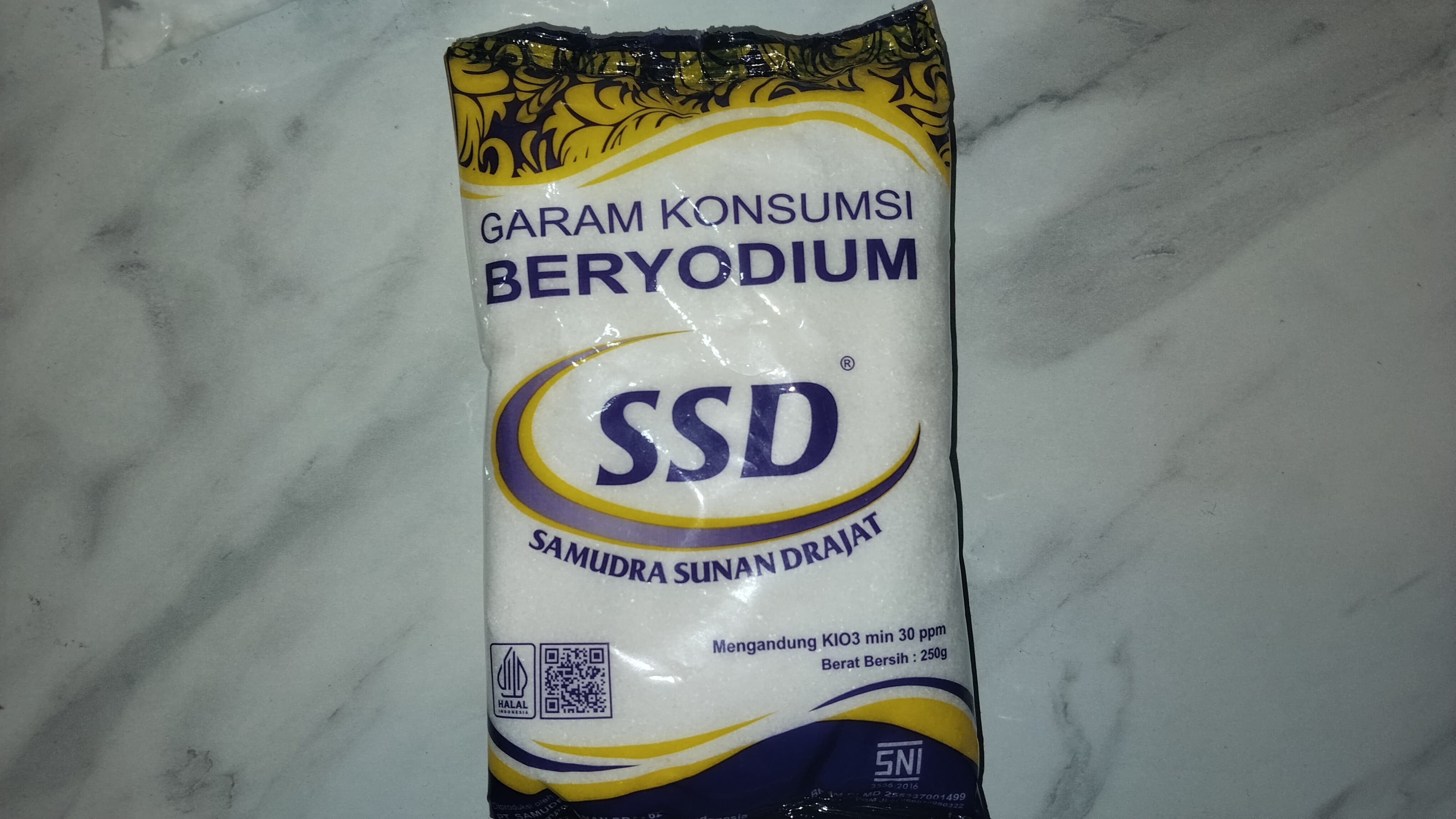
Once dried and ready, the salt is packaged in various sizes for commercial distribution, either for industrial use or household consumption.
The process of making salt from seawater is highly dependent on the weather, as more sunlight accelerates the evaporation process. As such, salt production is typically carried out in areas with hot, dry climates.